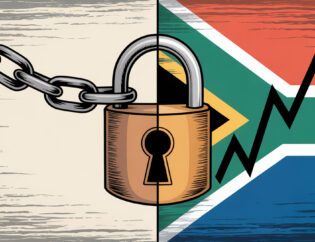


The Impact Of Sanctions On The South African Financial System
Sanctions can have a significant impact on the South African financial system, affecting various sectors and aspects of the economy. The specific impact of sanctions on South Africa would depend on the nature, scope, and duration of the sanctions imposed, as well as the response of the South African government and financial institutions. Due to the war between Russia and Ukraine, the SARB is worried about Russia-linked sanctions as they have the potential of crippling the financial system thus affecting financial stability. Here are some of the potential impacts of sanctions on the South African financial system:
- Trade and Investment: Sanctions can restrict or prohibit trade and investment between South Africa and the countries imposing sanctions. This can limit South Africa's access to international markets, disrupt supply chains, reduce foreign direct investment, and hinder economic growth. Reduced trade and investment flows can lead to a decline in export revenues, job losses, and lower economic output.
- Financial Institutions: Sanctions may target specific financial institutions in South Africa, restricting their access to international financial markets and transactions. This can impede their ability to raise capital, conduct cross-border transactions, and maintain correspondent banking relationships. Financial institutions may also face increased compliance costs and reputational risks, as they navigate the complex regulatory environment associated with sanctions.
- Currency and Exchange Rate: Sanctions can impact the value of the South African currency, the rand. Restrictions on trade and investment can lead to a decrease in foreign currency inflows, which may put downward pressure on the rand's exchange rate. A weaker currency can result in higher inflation, increased import costs, and reduced purchasing power for businesses and individuals.
- Capital Flows: Sanctions can affect capital flows into and out of South Africa. In response to sanctions, investors may withdraw funds from South African markets, leading to capital flight. This can result in a decline in foreign reserves, a decrease in liquidity in the financial system, and potential instability in the banking sector. Restrictions on capital flows can also limit South Africa's ability to access international financing for infrastructure projects and economic development.
- Sovereign Debt: Sanctions can make it more challenging for South Africa to borrow from international markets and refinance existing debt. The increased risk perception associated with sanctions can lead to higher borrowing costs and reduced investor appetite for South African sovereign bonds. This can result in a higher debt burden and potential fiscal challenges for the government.
- Economic Growth and Development: The cumulative impact of sanctions on various sectors of the South African economy can hinder economic growth and development. Reduced trade, investment, and capital flows can hamper job creation, limit technological advancements, and impede the country's ability to address socio-economic challenges such as poverty, inequality, and unemployment.
The SARB is now watching for a direct impact from the war on the South African financial system, by way of an expression of anger by Western nations. Sanctions that have already been imposed on South African companies by the US includes being banned from benefiting from the reconstruction of Ukraine. The possibility of sanctions that could affect the banking system rather than just, say, construction companies, came up in the diplomatic fight about the supposed transfer of South African weapons to the Russian ship but, the US made it clear that cutting South Africa out of the African Growth and Opportunity Act (AGOA) would come first.
The general sanctions that are commonly imposed by countries or international bodies serve as a basis for understanding the potential measures that might be taken:
- Diplomatic Sanctions: Diplomatic measures may include the expulsion or restriction of diplomats, the suspension of diplomatic relations, or limitations on official visits between countries. These sanctions aim to express disapproval and exert political pressure on the targeted country.
- Economic Sanctions: Economic sanctions can take various forms and target different sectors of the economy. Some possible measures include:
- Trade Restrictions: Imposing trade barriers, such as import or export bans, tariffs, or quotas on specific goods or sectors. These restrictions can disrupt trade flows, impact supply chains, and reduce the export/import revenues of the targeted country.
- Financial Sanctions: These measures typically involve freezing the assets of targeted individuals, companies, or financial institutions, preventing them from accessing international financial systems. Financial sanctions can also include restrictions on financial transactions, such as limits on international money transfers or the use of certain currencies.
- Technology and Arms Embargoes: Restricting the export or import of specific technologies, military equipment, or dual-use goods. This aims to limit the targeted country's access to advanced technology and military capabilities.
- Investment Restrictions: Imposing limitations on foreign direct investment (FDI) or imposing divestment requirements. These measures can discourage foreign investors from engaging with the targeted country or existing investors from expanding their operations.
- Travel Bans and Visa Restrictions: These sanctions can involve denying entry or imposing travel bans on individuals associated with the targeted country. They can affect government officials, business leaders, and individuals involved in specific sectors.

Should sanctions be imposed, though, the result could be a catastrophic financial crisis for South Africa, especially if it is banned from transactions in not only dollars but also in British pounds and euro. SA is highly dependent on investment inflows to fund its trade deficit, and that money comes mostly from the US, EU, and UK. It's important to note that the implementation of sanctions is a complex and politically driven process. The specific measures, if any, and their severity would depend on the geopolitical dynamics, the perceived threat or behavior, and the response of other countries and international organizations.
The insufficient and unreliable electricity supply is a significant drag on economic growth. It entrenches and contributes to the challenge of slow and inequitable domestic growth. As with sanctions, the SARB is required to prevent such trouble as it is legally obliged to take steps to avoid the materialization of such a risk.