

E-Visas and their effects on the tourism industry
Benefits of the e-visa:
South Africa has been preparing for the rolling out and implementation of the electronic visa system since 2018. The aim of this online system is to allow visitors to apply for visas and provide biometric data online -which will make it simpler for visitors to enter the nation. As it stands, according to Minister of Tourism Lindiwe Sisulu, a significant backlog in changing the paper-based system to a computerized one is impeding the introduction of e-visas to ease travel to the country. The visa policy in South Africa has previously been one of the barriers to travel, thus the introduction of e-visas will be good for both visitors and the local economy. The technology will also help consumers save a ton of time because they won't have to spend as much time waiting for administrative approval at airports.
Minister Lindiwe Sisulu mentioned that they have made a commitment to get on the e-visa issue as soon as possible, but the backlog is huge. Just converting what they have on paper to being computerised is taking a lot of time. On the other hand, Zambia has recently made an announcement on waiving visa requirements for tourists from various overseas markets, many of which are key source markets for most destinations within the southern African region. This goes to show that many countries are adapting and implementing great concepts to ensure sustained growth in the tourism industry.
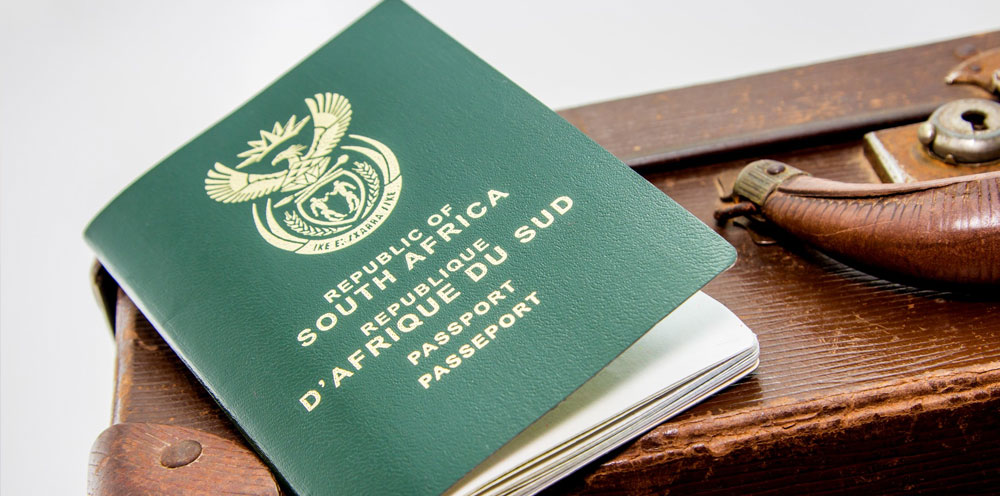
With the advent of the online method, the turnaround time is significantly shortened. The applicants no longer have to travel to the embassy or consulate, wait in lines for hours, and pay transportation costs there and back in order to receive travel authorizations to visit South Africa. Consequently, it is a time- and money-saving technique of getting a visa.
Furthermore, there is no deadline or restriction for applying, and the entire application process lasts no more than ten minutes. This implies that you can submit an online application from anywhere in the world at any time. Several elements, including your nationality, the reason(s) or nature(s) of your visit (such as tourism or business) and the length of time you plan to stay in the nation, will determine whether you need to apply for an eVisa or not. You will need to provide various supporting documentation, depending on the nature of your visit, to verify your justification for visiting South Africa.
Some nations are recognized as not requiring visas. You do not need to submit an online visa application for South Africa if you are a citizen of these nations. Only individuals who do not come from a nation exempt from visa requirements should get one before visiting South Africa. The tourism industry is a resilient industry and with access to technology especially in terms of travel marketing. The pandemic accelerated the digital aspects of our life, transforming how we search, purchase, work, and play. Because the ordinary consumer relies on technology to identify, book, and pay for their accommodations, technology will play an even bigger role in how travel is marketed in the future. Travel SMMEs must therefore adapt or risk falling behind if they wish to prosper.
While we wait on the E-visas to come in effect, in 2022, having a relevant internet presence is essential. When it comes to marketing to potential customers, travel and tourism SMMEs cannot afford to cut corners on a website or disregard the power of social media. Small businesses in the tourism industry will profit from investing in their online presence to boost visibility and accessibility because technology is unquestionably an enabler.
There are a range of offerings in the South African tourism industry to meet different needs. It is important for SMMEs to conduct research on what travellers will desire in the coming year and beyond to improve profitability and value.